






A vulnerability assessment shows where your systems are exposed. Vulnerability management is the ongoing work of deciding what to fix first, applying and verifying fixes, and monitoring for new risks.
For enterprises that rely on cloud infrastructure, software libraries, and third-party services, that process helps teams act on findings as their systems change.
What Does a Vulnerability Assessment Tell You?
A vulnerability assessment identifies weaknesses across applications, infrastructure, networks, and system configurations. It can uncover outdated software, insecure settings, insufficient access controls, or vulnerable third-party components.
An assessment gives teams a starting point. If it flags an outdated library, the team still needs to determine which systems use it, assess the business impact, apply the appropriate update, and verify that the fix is in place. The NIST Guide to Enterprise Patch Management Planning includes verification as part of the patching process.
Why Periodic Vulnerability Assessments Fall Short?
Enterprise technology environments are constantly changing.
New applications are deployed, cloud resources are added, infrastructure configurations are updated, and third-party software components evolve. Each change can introduce vulnerabilities or alter the organization’s existing security exposure. A system considered secure during its last assessment may no longer have the same risk profile several months later.
Three challenges make periodic assessments insufficient when used in isolation.
1. Limited Visibility Across Technology Dependencies
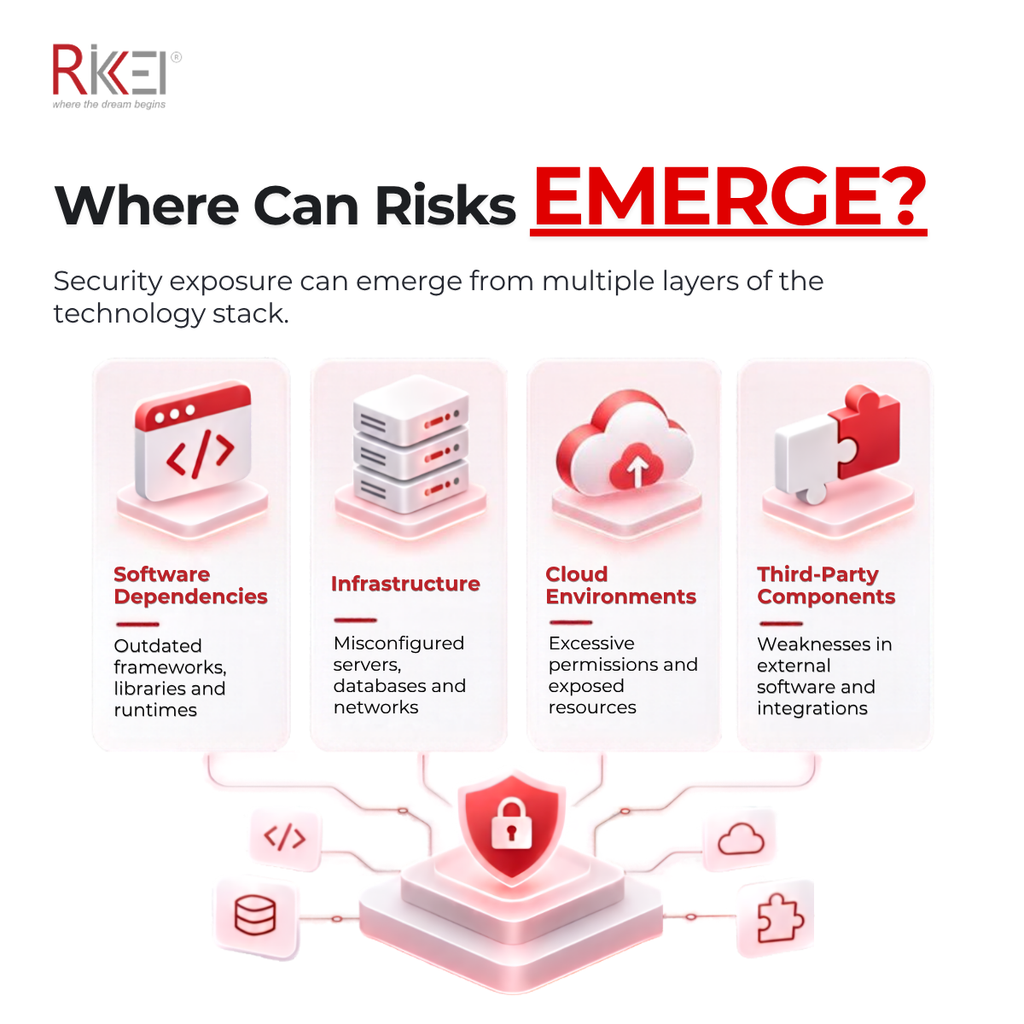
Modern applications rely on multiple layers of technology, including programming languages, frameworks, libraries, operating systems, databases, and cloud infrastructure. A vulnerability in any of these underlying components can create exposure even when an application’s own code follows secure development practices. Without an accurate inventory of systems and dependencies, organizations may struggle to identify which assets are affected when new vulnerabilities are disclosed.
2. Delays Between Detection and Remediation
Discovering vulnerabilities is only valuable when findings translate into appropriate action. In complex enterprise environments, remediation may require coordination between security teams, infrastructure administrators, application owners, and business stakeholders. Some updates can be deployed immediately, while others require compatibility testing or scheduled maintenance to avoid disrupting critical operations. Without clear ownership and prioritization, identified vulnerabilities may remain unresolved longer than necessary.
3. Security Risks Can Persist After Remediation
Applying a patch or changing a configuration addresses a specific weakness, but it does not necessarily establish whether a system was previously compromised. Where exposure, suspicious activity, or other evidence warrants further investigation, organizations may need to review logs, system behavior, and potential indicators of compromise. This distinction is important: vulnerability management focuses on identifying and addressing weaknesses, while compromise assessment investigates whether unauthorized activity may already have occurred.
What to Do After a Vulnerability Assessment?
1. Maintain an Inventory of Critical Assets and Dependencies
Track business-critical applications, infrastructure, software components, and relevant third-party dependencies. Record who owns each system so teams can quickly identify affected assets and assign responsibility when a new vulnerability is disclosed.
2. Prioritize Fixes by Business Risk
Consider technical severity alongside exploitability, internet exposure, the importance of the affected system, and the potential consequences for business operations.
For example, suppose the same vulnerable library is used in a public customer portal and an isolated test environment. The portal may need to be fixed first because it is internet-facing and supports customers. After deploying the update, verify that the fixed version is running on each affected instance as it is remediated.
3. Strengthen Systems Through Security Hardening
Review access permissions, remove unnecessary services, and improve operating system, database, and cloud configurations where needed. Hardening addresses weaknesses that software updates alone may not resolve, such as excessive permissions or services that should not be publicly accessible.
4. Make Reassessment and Monitoring Part of Ongoing Operations
Reassess exposure when new software goes live, configurations change, or relevant vulnerabilities are disclosed. Track overdue fixes and temporary mitigations so unresolved risks stay visible. The NIST Cybersecurity Framework 2.0 provides a broader reference for connecting this work to governance, detection, response, and recovery.
Strengthening Security Readiness With RK Global Cyber
At Rikkeisoft, cybersecurity is supported by RK Global Cyber (RGC), our dedicated cybersecurity company combining specialized security expertise with enterprise technology engineering capabilities.
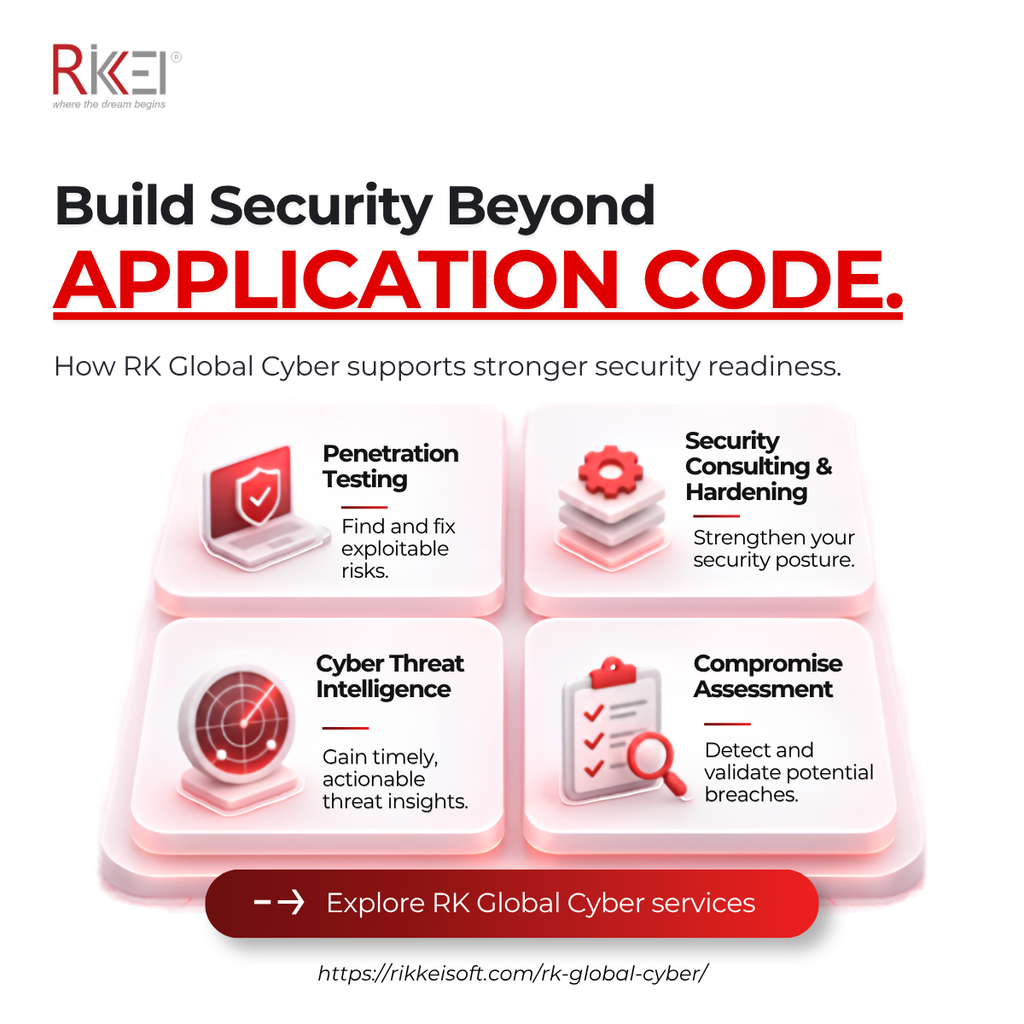
RGC provides services across Penetration Testing, Security Consulting & Hardening, Cyber Threat Intelligence, Compromise Assessment, and Security Staffing & BrSE.
For organizations looking to strengthen their security practices, these capabilities can support different stages of the security lifecycle, from identifying vulnerabilities and improving system configurations to monitoring emerging threats and investigating potential signs of compromise.
Security requirements vary depending on an organization’s infrastructure, operational priorities, and existing capabilities. Understanding those requirements is an important starting point for determining the most appropriate assessment and improvement approach.
Explore Rikkeisoft’s cybersecurity services or connect with our specialists to discuss assessment, hardening or investigation support relevant to your organisation now.