





The benefits of AI transformation are reshaping how businesses operate, make decisions, and create value. As artificial intelligence (AI) capabilities continue to evolve, companies are moving beyond isolated applications toward integrating AI into their core business strategies.
But what tangible value can this transformation deliver? From improving operational efficiency and optimizing costs to unlocking new growth opportunities, this article explores five key benefits of AI transformation and their impact on business performance.
What Is AI Transformation?
AI Transformation refers to the strategic integration of artificial intelligence into business processes, operations, and decision-making to improve performance and create long-term business value.
Rather than simply adopting standalone AI tools, it involves embedding AI across an organization’s workflows and strategies, enabling businesses to rethink how they operate, address business needs, and build stronger foundations for long-term growth and competitiveness.
Why Is AI Transformation Important for Businesses Today?
AI transformation is becoming increasingly important as businesses face mounting pressure to adapt to changing economic and technological conditions.
- First, rising operational costs are pushing businesses to find more effective ways to manage resources. AI can help automate repetitive tasks, streamline workflows, and improve resource allocation, allowing organizations to control costs while maintaining productivity.
- Second, rapid technological advancements and changing market demands require businesses to modernize their systems and adapt more quickly. In Japan, for example, many enterprises still rely on legacy IT infrastructure, making AI transformation an important step toward integrating emerging technologies and building more flexible operations.
- Third, workforce shortages and intensifying global competition are driving the need for new approaches to business operations. AI can support employees by automating routine work, augmenting human capabilities, and helping organizations maintain productivity despite a shrinking workforce.
By addressing these challenges, AI transformation enables businesses to build greater operational resilience, adapt to market changes, and sustain their competitive advantage in an increasingly technology-driven economy.

5 Key Benefits of AI Transformation for Businesses
1. Improved Operational Efficiency and Productivity
AI transformation helps organizations optimize business operations by automating routine processes, improving resource allocation, and reducing manual workloads. By integrating intelligent automation into daily workflows, businesses can accelerate task execution, enhance accuracy, and enable employees to focus on higher-value activities.
Beyond administrative tasks such as data processing and reporting, AI also delivers measurable benefits across industry-specific operations. In manufacturing, for example, computer vision technology enables automated quality inspections, product counting, and defect detection. Solutions such as Automating product inspection and counting with ai vision help manufacturers identify defects, verify product quantities, and minimize inspection bottlenecks, resulting in more consistent quality control and streamlined production processes.
By incorporating AI into core business functions, organizations can improve workforce productivity, strengthen operational agility, and scale their operations without proportionally increasing costs.
2. Cost Optimization and Better Resource Allocation
One of the key benefits of AI transformation is its ability to help businesses reduce operational costs and allocate resources more effectively. By analyzing large volumes of operational data, AI enables organizations to identify inefficiencies, anticipate resource requirements, and make more informed financial decisions.
AI can also help reduce unnecessary expenses associated with inefficient processes, excess inventory, and operational disruptions. Rather than relying solely on historical assumptions, businesses can use AI-generated insights to adjust resource planning according to actual demand.
For instance, manufacturers and retailers can leverage AI-powered demand forecasting to predict inventory requirements, minimize overstocking, and reduce storage costs.
With effective implementation, AI transformation can help businesses strengthen cost control, maximize resource efficiency, and improve long-term financial performance.

3. Smarter and Faster Data-Driven Decision-Making
In today’s data-driven economy, businesses generate vast amounts of information, but extracting meaningful insights remains a challenge. AI transformation helps organizations turn complex data into actionable intelligence, supporting faster and more informed decision-making.
AI-powered analytics can identify patterns, detect anomalies, and generate predictive insights that may be difficult to uncover through traditional methods. These capabilities enable businesses to anticipate potential risks, recognize emerging opportunities, and improve strategic planning.
For example, in the insurance industry, AI and big data analytics can help businesses assess risks more accurately, personalize insurance policies, and automate claims processing. These capabilities are transforming traditional insurance operations into more intelligent, data-driven platforms. Explore how AI and Big Data are shaping smart insurance platform through practical applications in the insurance sector.
By combining AI-generated insights with human expertise, organizations can make more accurate, timely, and evidence-based decisions across different business functions.

4. Enhanced Customer Experience and Personalization
Customer expectations are evolving rapidly, with increasing demand for personalized services, faster responses, and seamless digital interactions. AI transformation helps businesses meet these expectations by delivering more relevant and responsive customer experiences.
Through customer data analysis, AI can identify individual preferences, purchasing behaviors, and interaction patterns. Businesses can use these insights to personalize recommendations, improve service delivery, and strengthen customer engagement.
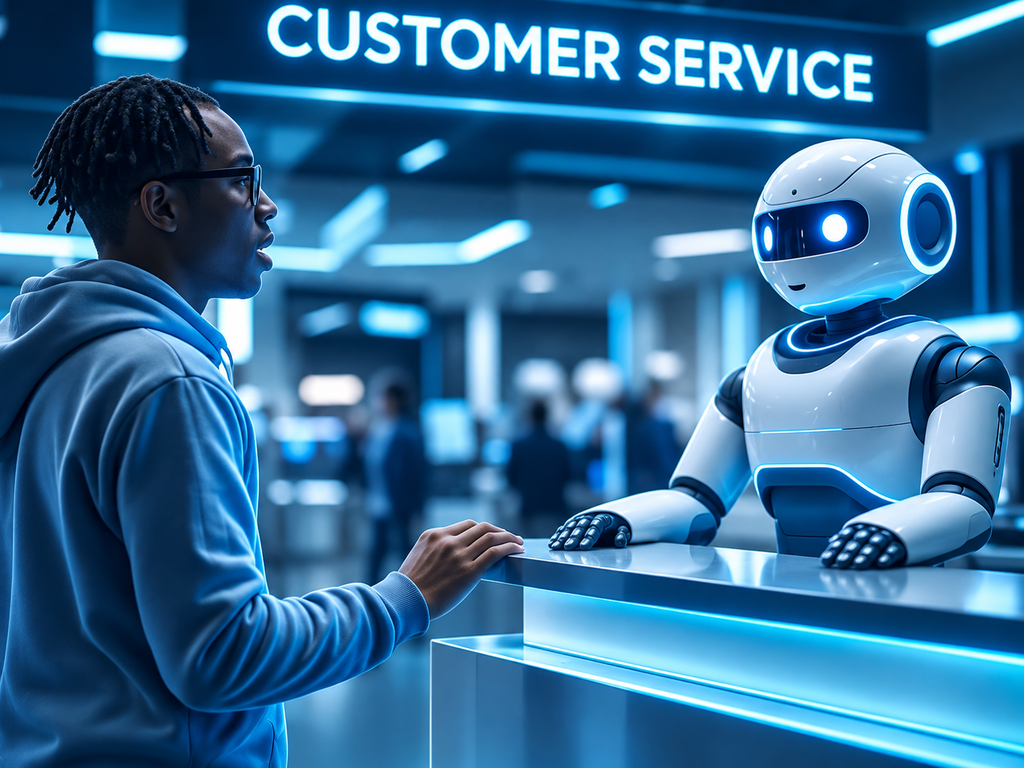
For example, e-commerce platforms can implement AI-powered recommendation engines to suggest products based on customers’ browsing history and purchasing preferences. Meanwhile, AI-powered customer service assistants can handle routine inquiries and provide support around the clock.
By integrating AI into customer-facing operations, businesses can improve satisfaction, strengthen customer relationships, and create opportunities for higher retention and conversion rates.
5. Greater Business Agility, Innovation, and Competitive Advantage
Beyond operational improvements, AI transformation plays an important role in strengthening business agility and enabling long-term innovation.
As markets and customer expectations continue to evolve, businesses need to respond quickly to emerging opportunities and competitive pressures. AI-powered insights can help organizations identify market trends, accelerate product development, and adapt their strategies more effectively.
AI also creates opportunities to develop innovative products, services, and business models. For example, financial institutions can use AI to analyze customer needs and develop more personalized digital financial services.
By integrating AI into their long-term strategies, businesses can build scalable capabilities, respond more effectively to market changes, and strengthen their competitive positioning.

Turning AI Transformation into Long-Term Business Value
The benefits of AI transformation extend beyond immediate operational improvements, creating opportunities for sustainable growth and long-term competitiveness. However, realizing these benefits requires more than adopting individual AI technologies. Businesses need a clear strategy, the right technological capabilities, and seamless integration with existing systems to turn AI potential into lasting business value.
As an experienced technology partner, Rikkeisoft accompanies enterprises throughout their AI transformation journeys, from identifying opportunities and shaping strategies to developing tailored solutions and integrating them into business operations. By addressing specific operational challenges and strategic objectives, Rikkeisoft helps businesses translate AI potential into practical outcomes. Discover how AI solutions can solve real business problems and support meaningful business transformation.